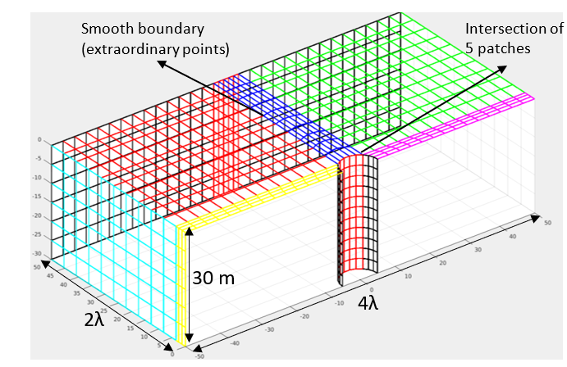
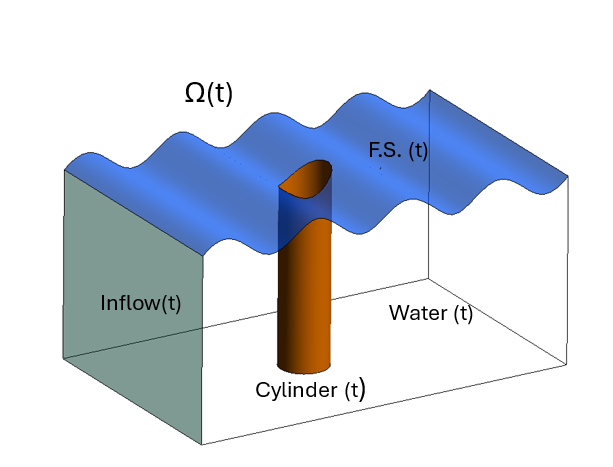
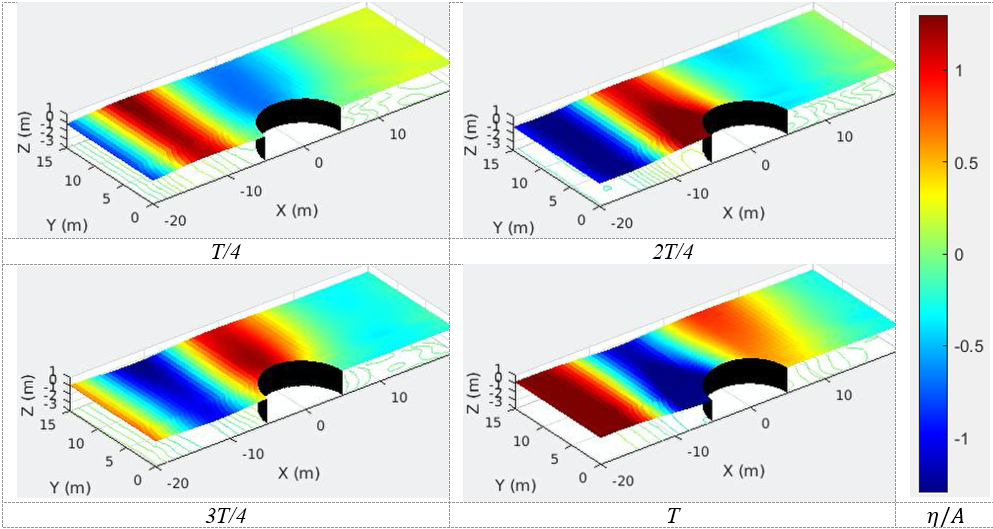
My PhD research focuses on the development of an advanced numerical framework for simulating nonlinear wave–structure interactions, particularly for offshore wind turbine (OWT) foundations. The project combines the Isogeometric Analysis (IGA) with the Boundary Element Method (BEM), enabling accurate and geometry-preserving modeling of complex offshore structures. A key outcome of this work is a fully nonlinear IGA-BEM solver integrated with a Mixed Eulerian–Lagrangian (MEL) scheme to capture free-surface dynamics. The solver was validated through benchmark studies and applied to simulate wave loading on large monopile foundations. This research addresses critical computational challenges in offshore hydrodynamics and supports the design of next-generation offshore renewable energy systems.


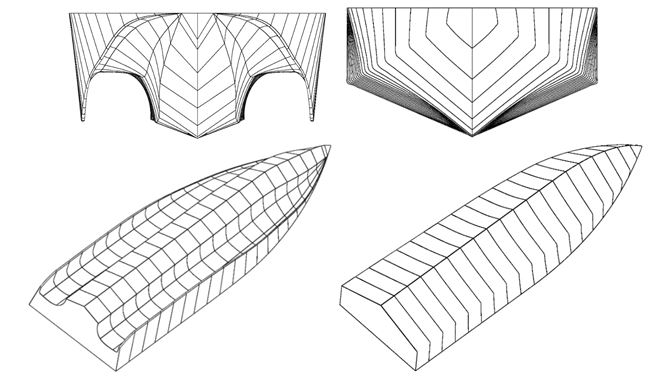
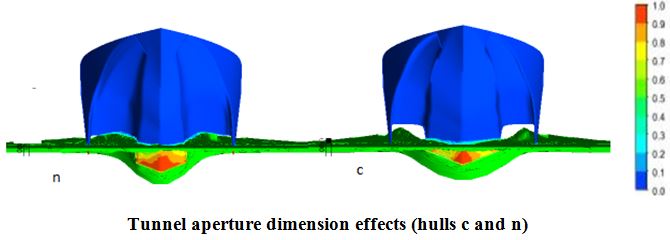
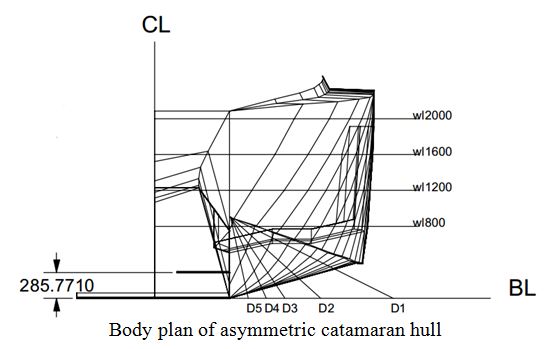
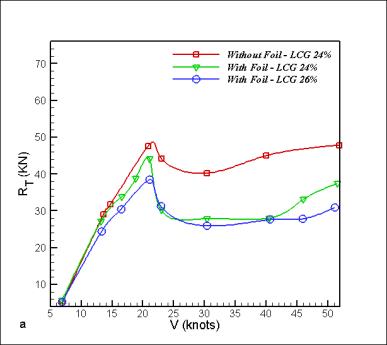
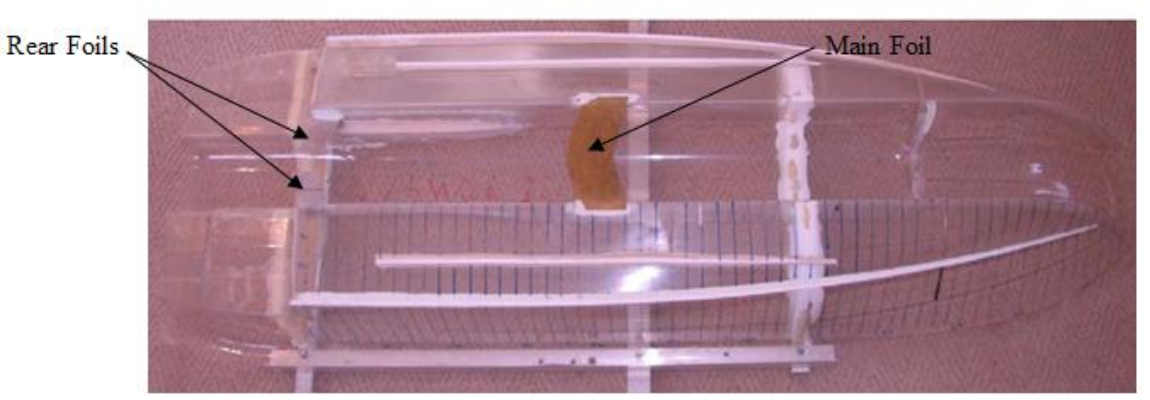
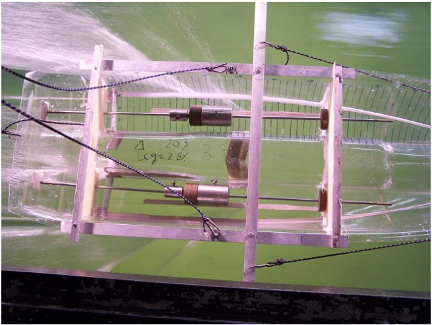
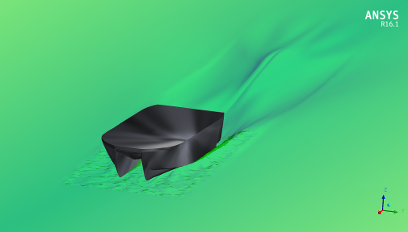
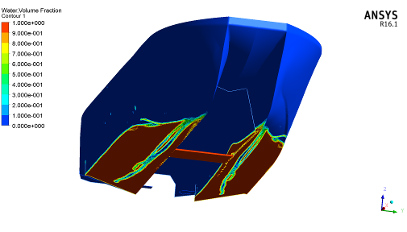
Adding longitudinal tunnels in a high speed monohull has been introduced as an appropriate method for reducing drag; however, one cannot be certain that creating tunnel in the hull body could reduce the drag or increase the maneuverability ability. Different geometric parameters in various parts of the tunnel (like the tunnel blade, the tunnel dimensions and its accessories) could influence the hull performance. In this study it has been attempted to determine the influence of the tunnel height on hydrodynamic characteristics of the hull to achieving an optimum shape for the tunnel. To achieve this purpose, numerical simulation of the problem has been done using finite volume method considering moving mesh. For turbulence modeling, k-ε model and to simulate free surface, the Volume of Fluid (VOF) two phase model has been employed.


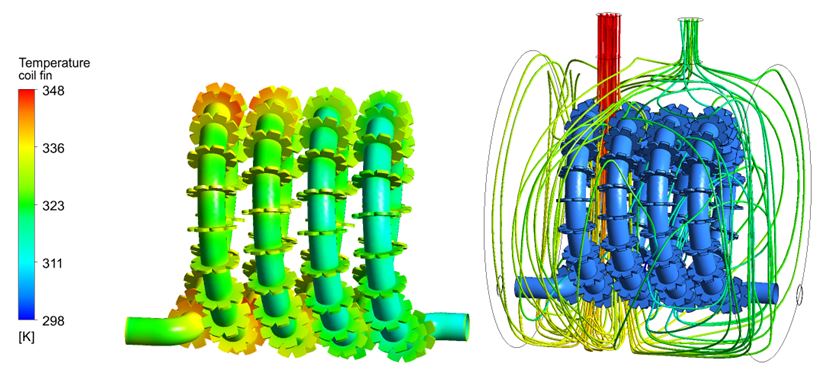
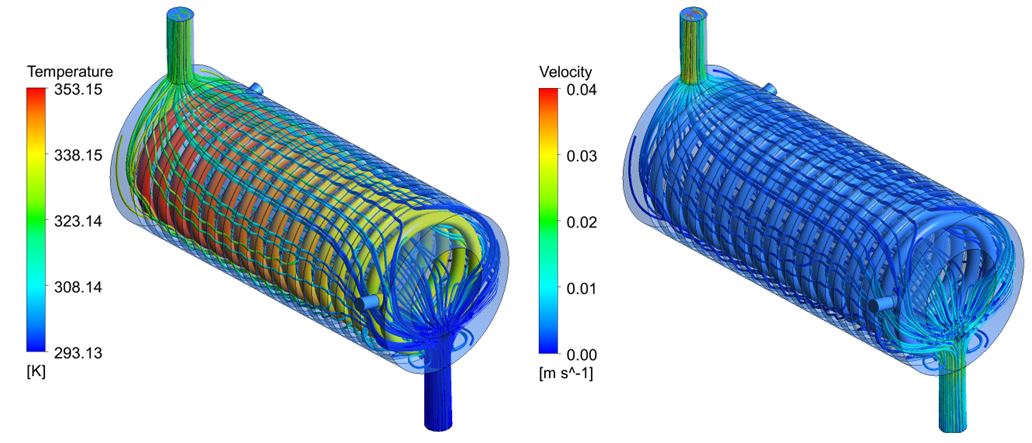
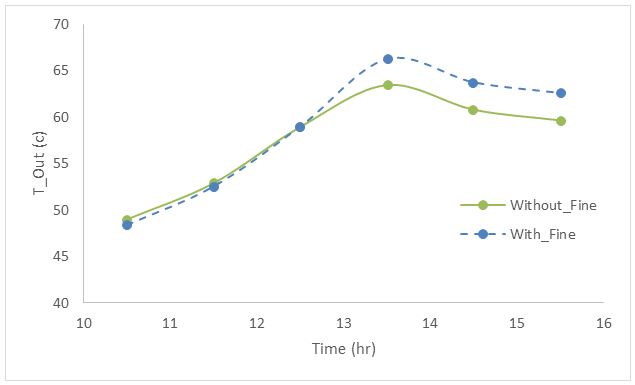
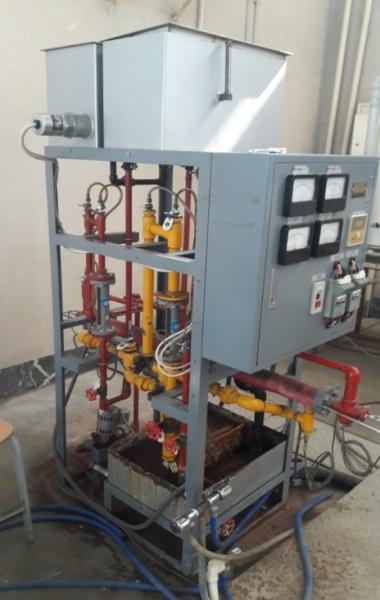
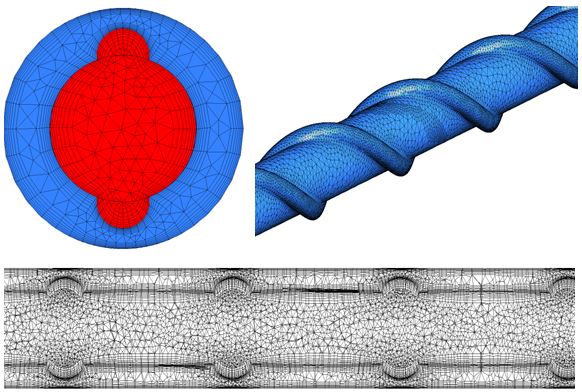
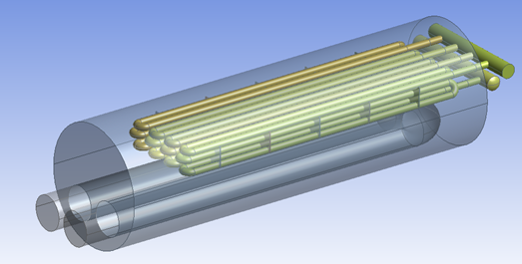
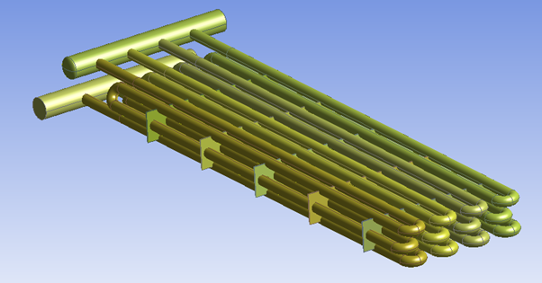
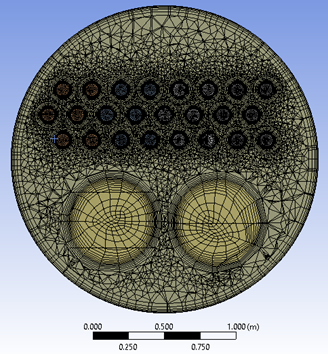
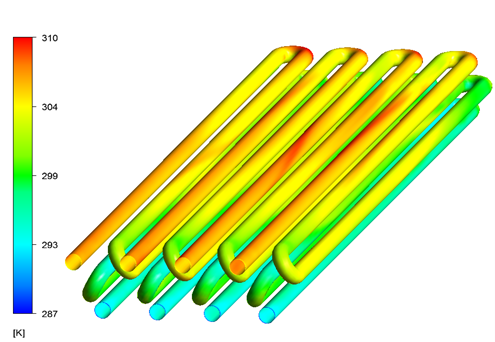
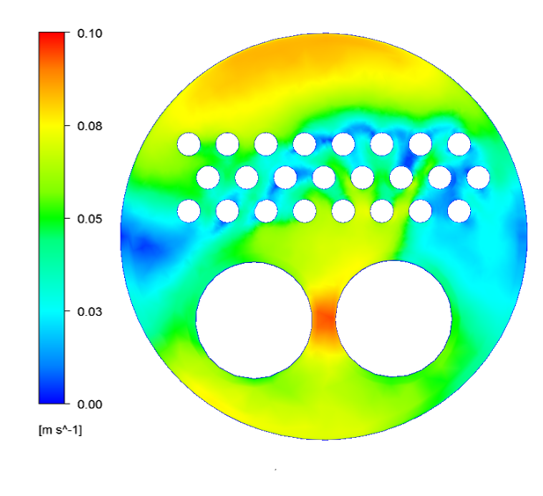
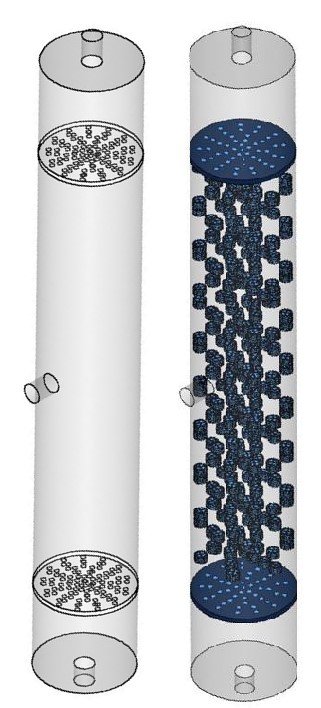
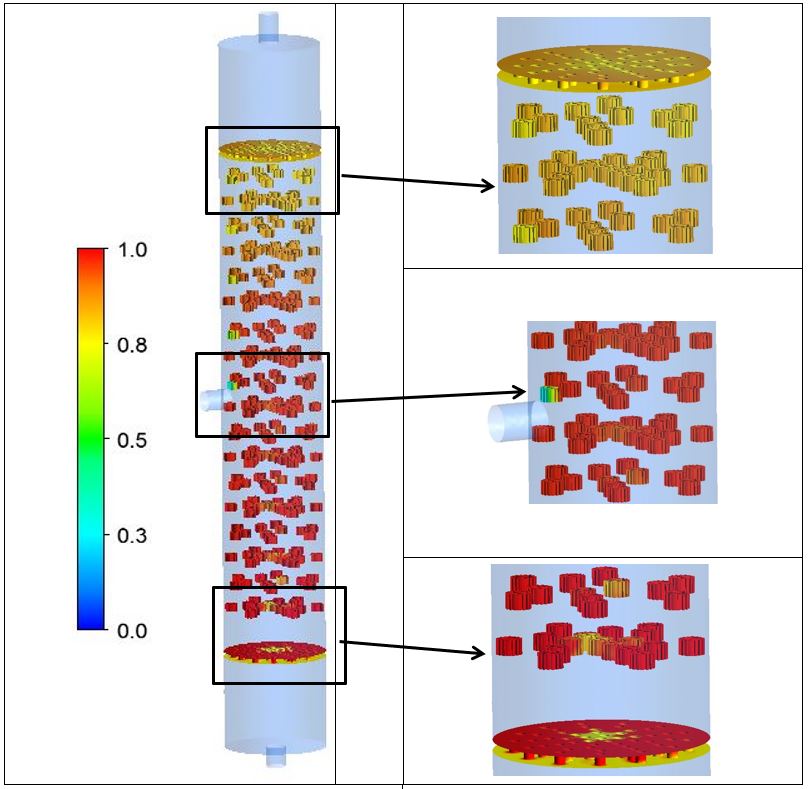
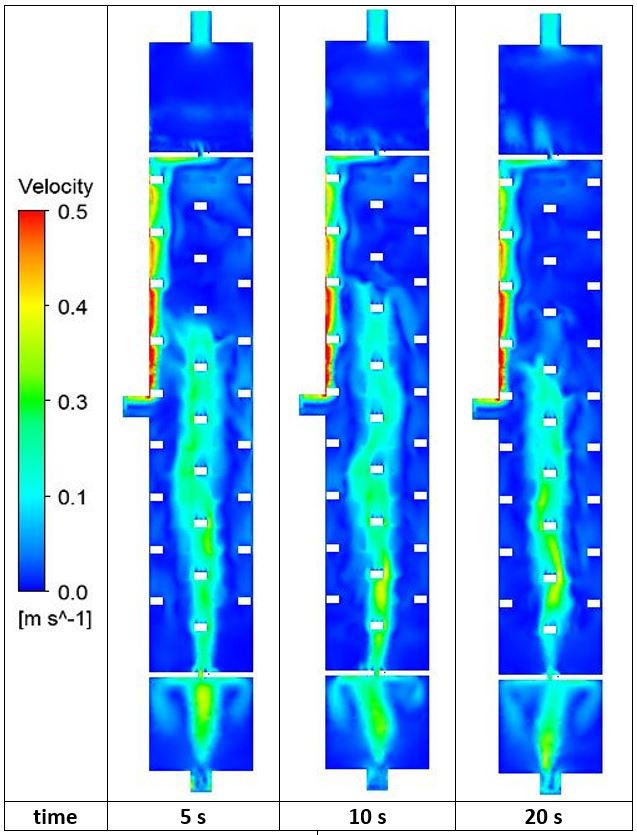
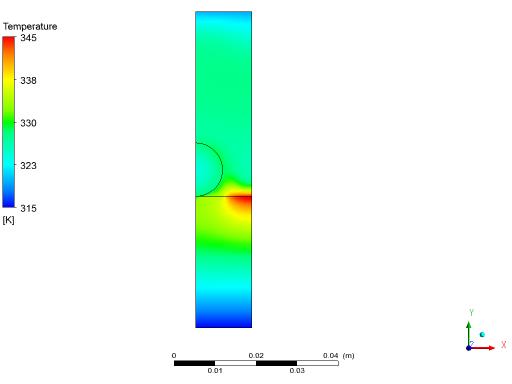
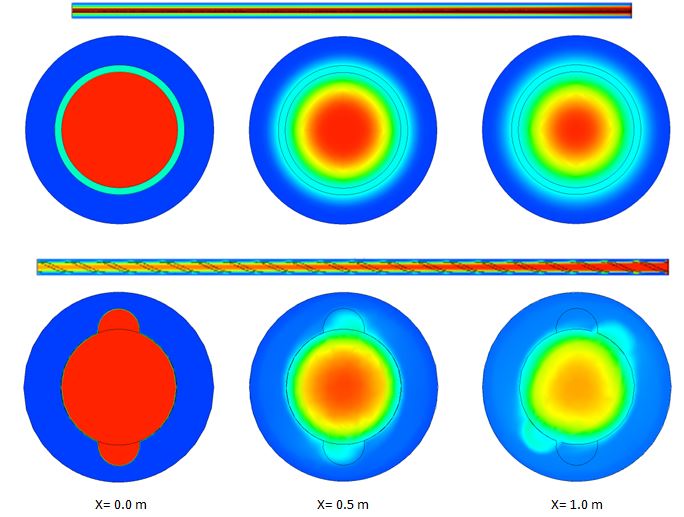
Todays because of the augmentation of demand for energy and expiring fossil fuels and their consumedly pollutions, the need for using reproducible energy sources is inevitable. One of those sources is using phase-change materials. Up to now, numerous researches have been investigated the heat transfer in various industrial systems for storing energy. In this study effect of using fin and number of tube in multi tube tank investigated.
Cyclones are widely used in the industry to control air pollution and to separate solid particles from gas. Simplicity of construction, low operating costs and flexibility in tolerating hard conditions have made cyclones one of the most important solid-gas separation equipment. In these devices, the tangential inlet creates vortex flow and consequently a centrifugal force exerts to the particles, causing the particles to approach the walls. The particles close to the walls are separated from the flow due to the downward movement of the gas as well as the gravitational force and are collected at the end of the conic section of the cyclone. The clean gas leaves the cyclone through the upper outlet tube (vortex finder). In this study, a numerical investigation of solid particle separation in gas-particle cyclones is investigated. The Reynolds stress turbulence model (RSM) is employed to simulate a strongly swirling turbulent air flow along with the discrete phase model (DPM) to trace the particles.
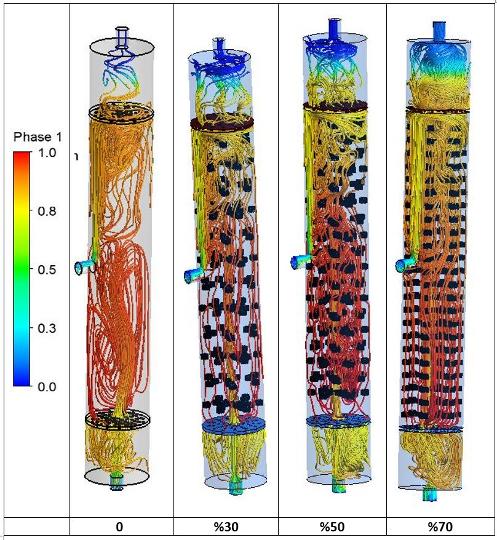
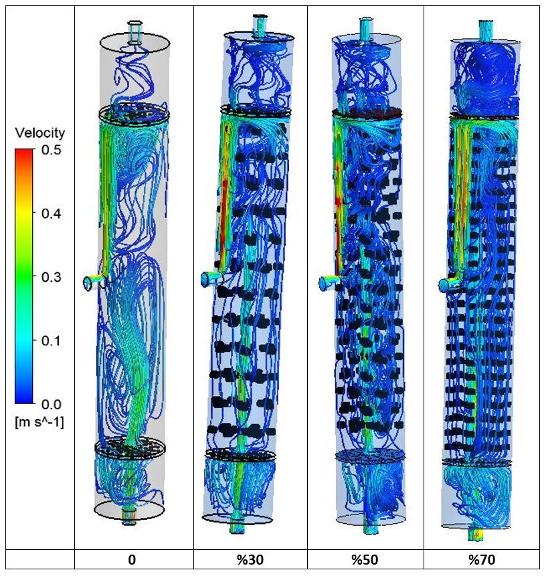
A hydrocyclone is a device to classify, separate or sort particles in a liquid suspension based on the ratio of their centripetal force to fluid resistance. This ratio is high for dense (where separation by density is required) and coarse (where separation by size is required) particles, and low for light and fine particles. Hydrocyclones also find application in the separation of liquids of different densities.
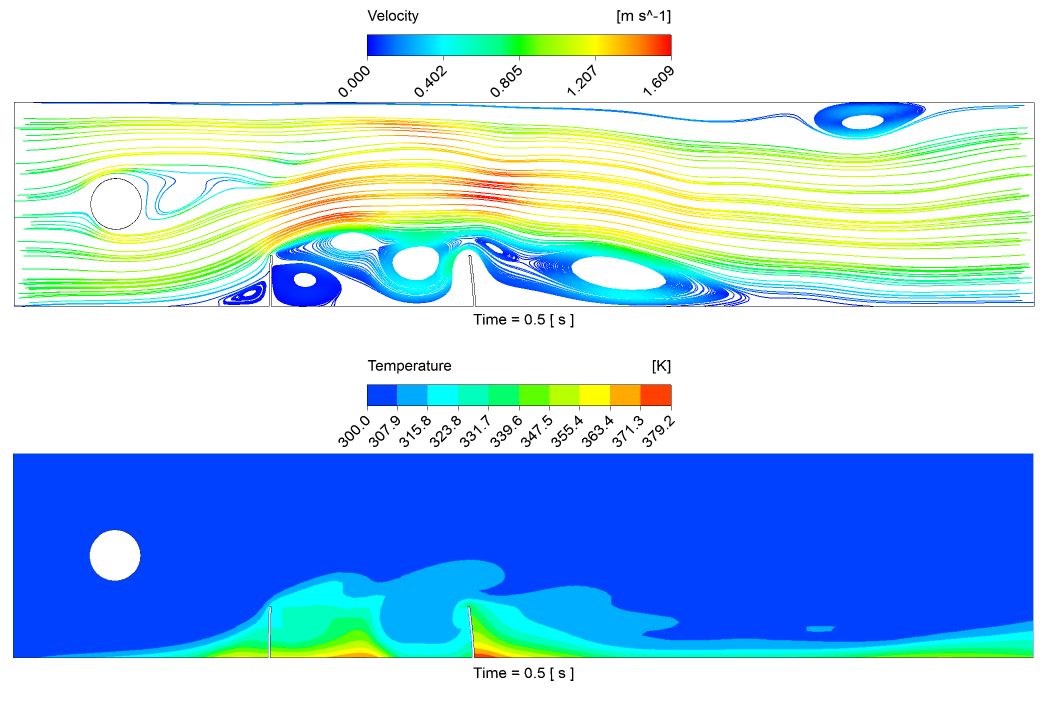
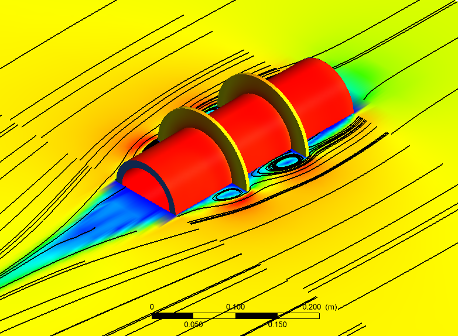
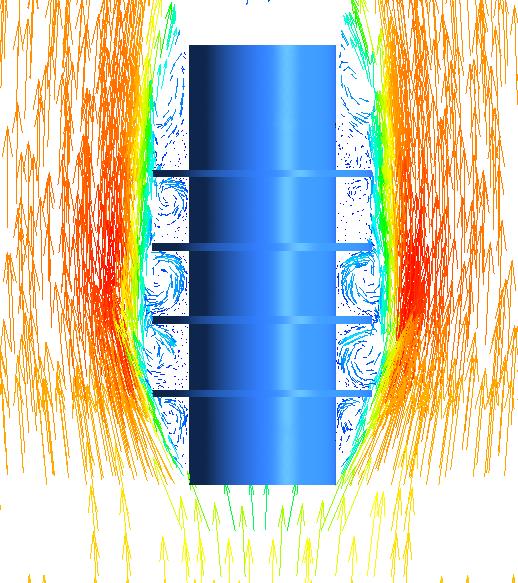
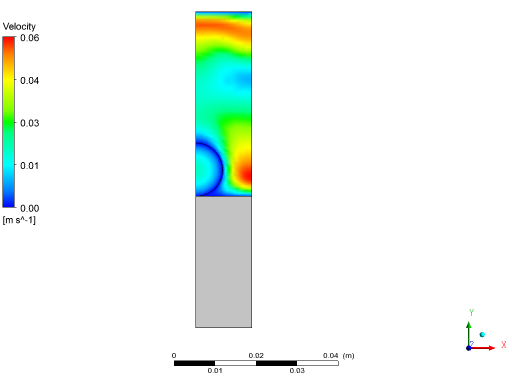
Vortex shedding from a transversely oscillating circular cylinder confined in a channel and its
effect on the wall heat transfer of a channel under constant heat flux wall boundary condition are
studied by Moving mesh Technic and Fluid solid Interaction (FSI).

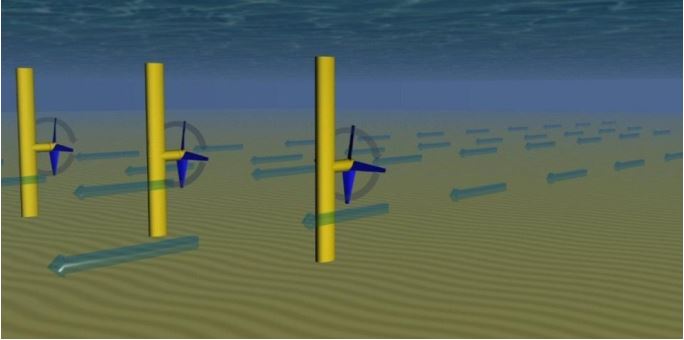
Ocean waves are one of the renewable energy sources that can supply part of the world’s energy needs and thus reduce the rate of consumption of fossil fuels and other non-renewable sources. Wave Energy Converters (WEC) are systems that extract electrical energy from sea waves.
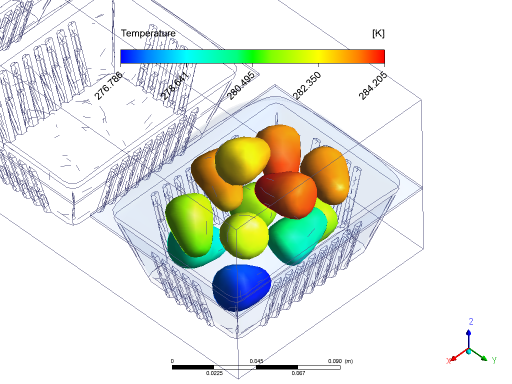
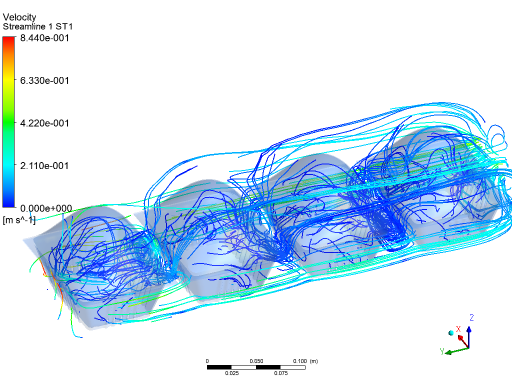
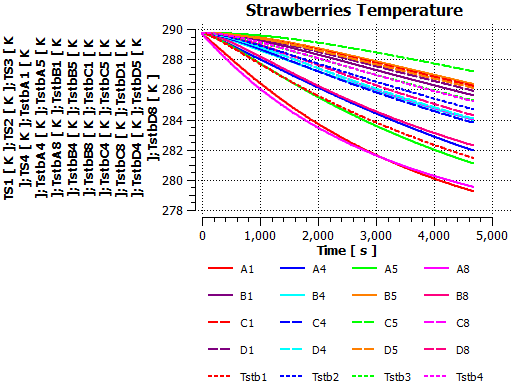
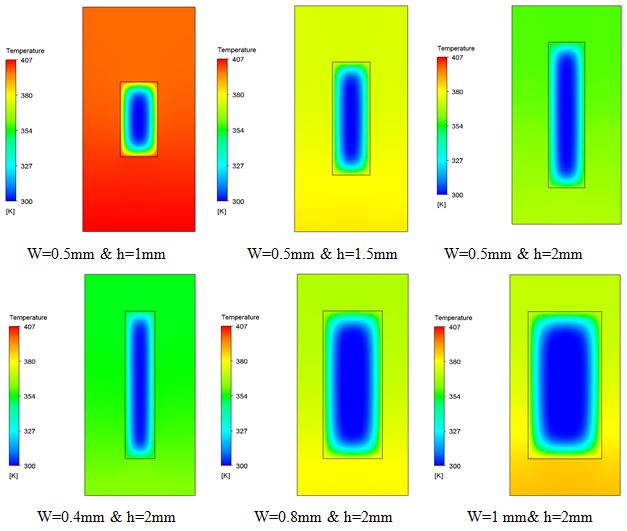
A finite Volume method (FVM) was applied to solve a heat transfer equation in the strawberry fruit, assuming the modified heat transfer coefficient between strawberry fruit and cooling air inlet at 0 degrees C.


© Copyright HamidKazemi_CV
Make a free website with Yola